Description
Muscle, Bone & Nerve Mender 1oz
Structural · Nervine · Vulnerary
What an Injury Leaves Behind
The break knits. The tear closes. And then, often, something stays. This is my favorite formula for everything from arthritis, tendonitis, carpel tunnel, and acute injuries.
A shoulder that has been fine for two years but will not go past a certain point. A back that catches in the same place every time. Pain along a nerve line long after the tissue that compressed it has healed. Muscle that will not release because it has been guarding so long it has forgotten the injury is over.
Injury is held as pattern, not only as damage. Fascia carries tension across the whole web, so a wrenched ankle is answered by the opposite hip, and the compensation outlives its cause by years. Nerves that have been stretched or compressed keep firing on an old instruction. This is why structural work often has to be done more than once, and why something taken internally alongside it — loosening the guard, feeding the collagen, quieting the nerve — makes the hands-on work hold.
The Seal
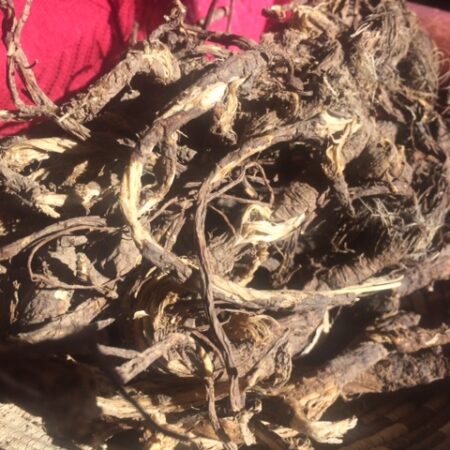
Solomon’s seal takes its name from the marks on its rhizome. Each year’s growth leaves a round scar where the stalk stood, so the root carries a row of seals, one for every season it has lived — a record of its own age written along its length. Older herbals read these as the signet of Solomon, the ring by which he bound and released spirits.
The doctrine of signatures is not an argument, but it is often a good index of what practitioners noticed. A jointed rhizome that keeps a record of every year it has moved, for a jointed body that keeps a record of every injury it has taken.
What Solomon’s seal actually does, in the hands of the herbalists who have worked with it most closely, is adjust tension across connective tissue in both directions. It loosens what has drawn too tight and draws up what has gone slack. It is not a relaxant. It is a re-tensioner, and it works on the whole web rather than on a site.
Mullein root belongs to the same conversation, and to the spine specifically — for discs, for the column, for the hinge quality of a joint that has lost its glide. Horsetail feeds the material: it is among the most silica-rich plants in the temperate world, and silica is what collagen is built on. Gotu kola does the same work from the circulatory side, supporting the microvasculature and the integrity of connective tissue. Comfrey leaf is knitbone, and its allantoin is one of the oldest documented cell-proliferant agents in the materia medica.
The Wort of the Solstice
St. John’s wort is picked at midsummer, when the flowers are at their reddest inside. Crush a bud and your fingers stain — the old name for that pigment was the blood of St. John.
Hold a leaf to the light and it is perforated with hundreds of translucent points; perforatum, the thousand-holed. Those points are oil glands, but the tradition read them as punctures, and used the plant accordingly: for puncture wounds, for deep and narrow injuries, and above all for damaged nerve — the shooting, electric, radiating pain that follows a stretched or compressed nerve and does not behave like ordinary soreness.
That indication has held for five hundred years and remains the sharpest reason to reach for this plant outside of its better-known use in low mood. Here it is doing nerve work.
Lousewort (Pedicularis) is its counterpart on the muscular side — the herb Michael Moore taught for skeletal muscle that has been braced so long it no longer knows how to stop. Relaxing without sedating the mind. Willow carries the salicin, the original of aspirin and still the plainest botanical answer to pain and inflammation. Calendula closes the circle: vulnerary, lymphatic, and the classic for tissue that is repairing.
The Herbs
Solomon’s Seal Root (Polygonatum), Lousewort (Pedicularis), Willow Bark (Salix), St. John’s Wort (Hypericum perforatum), Comfrey Leaf (Symphytum officinale), Horsetail (Equisetum arvense), Gotu Kola (Centella asiatica), Calendula (Calendula officinalis), Mullein Root (Verbascum thapsus)
Extracted in organic cane alcohol. Wildcrafted and cultivated material, in small batches.
To Use
1 to 2 mL, two to three times daily, in a little water.
Best taken as a defined course of four to six weeks alongside bodywork, physical therapy, or whatever structural work you are already doing — and then stopped. This formula is built to be finished, not carried. If the pattern is still there after a course, that is information worth bringing to a practitioner rather than a reason to keep drinking it.
Cautions
St. John’s wort interacts with a very wide range of pharmaceutical medications — including but not limited to hormonal contraceptives, blood thinners, antidepressants, immunosuppressants, antiretrovirals, heart medications and chemotherapy agents. In some cases it reduces the medication’s effectiveness substantially. Do not use this formula if you take any prescription medication without first consulting your prescribing provider or pharmacist. It may also increase sensitivity to sunlight.
Not for use during pregnancy or while nursing. Not for children.
Not for use with aspirin sensitivity, bleeding disorders, or anticoagulant therapy. Not for use with liver conditions, or alongside medications that affect the liver, without practitioner guidance. Discontinue two weeks before surgery. May cause a reaction in those sensitive to the aster family. May be relaxing — take care with driving until you know how it affects you.
Intended for short-term use only. Do not exceed six weeks of continuous use without practitioner guidance.
This preparation is a traditional botanical extract intended to support tissue repair and structural comfort. It is not a treatment for any disease and is not a substitute for medical care. Seek medical attention for any acute injury, fracture, or loss of sensation or function.
Made in small batches in Taos, New Mexico.

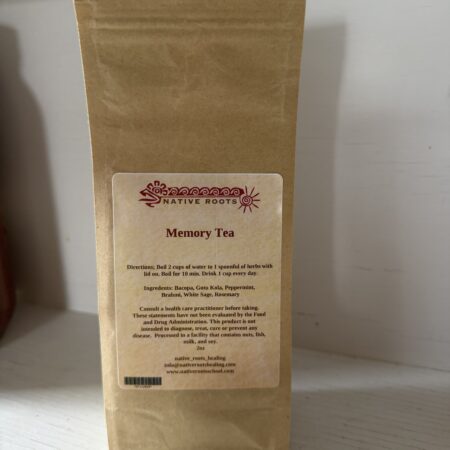 Memory Tea
3 × $19.00
Memory Tea
3 × $19.00 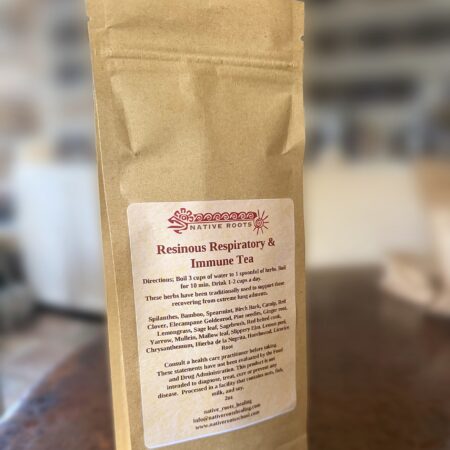 Resonance Respiratory Immune Tea
1 × $20.00
Resonance Respiratory Immune Tea
1 × $20.00 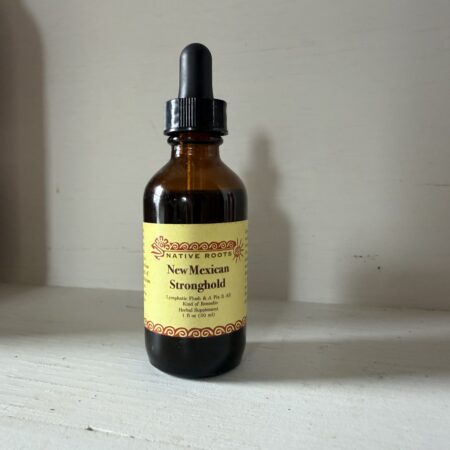 New Mexican Stronghold
3 × $36.00
New Mexican Stronghold
3 × $36.00  Nm stronghold
1 × $18.00
Nm stronghold
1 × $18.00 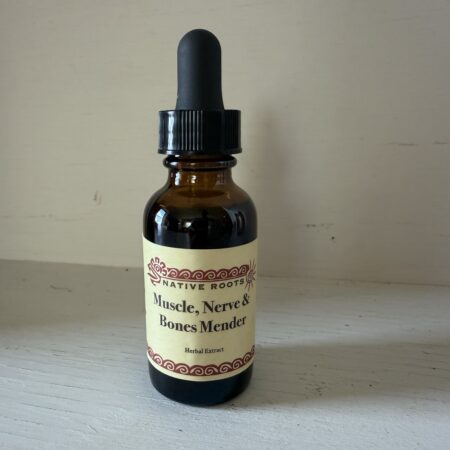 Muscle, Bone & Nerve Mender
1 × $18.00
Muscle, Bone & Nerve Mender
1 × $18.00  Mantle and Ward Ancestral Bath
1 × $20.00
Mantle and Ward Ancestral Bath
1 × $20.00  Luscious Hair Repair Oil
1 × $35.00
Luscious Hair Repair Oil
1 × $35.00  Super Moon crystal infused wax melts
1 × $9.99
Super Moon crystal infused wax melts
1 × $9.99  Nutty New Mexican Hot Chocolate
1 × $25.70
Nutty New Mexican Hot Chocolate
1 × $25.70 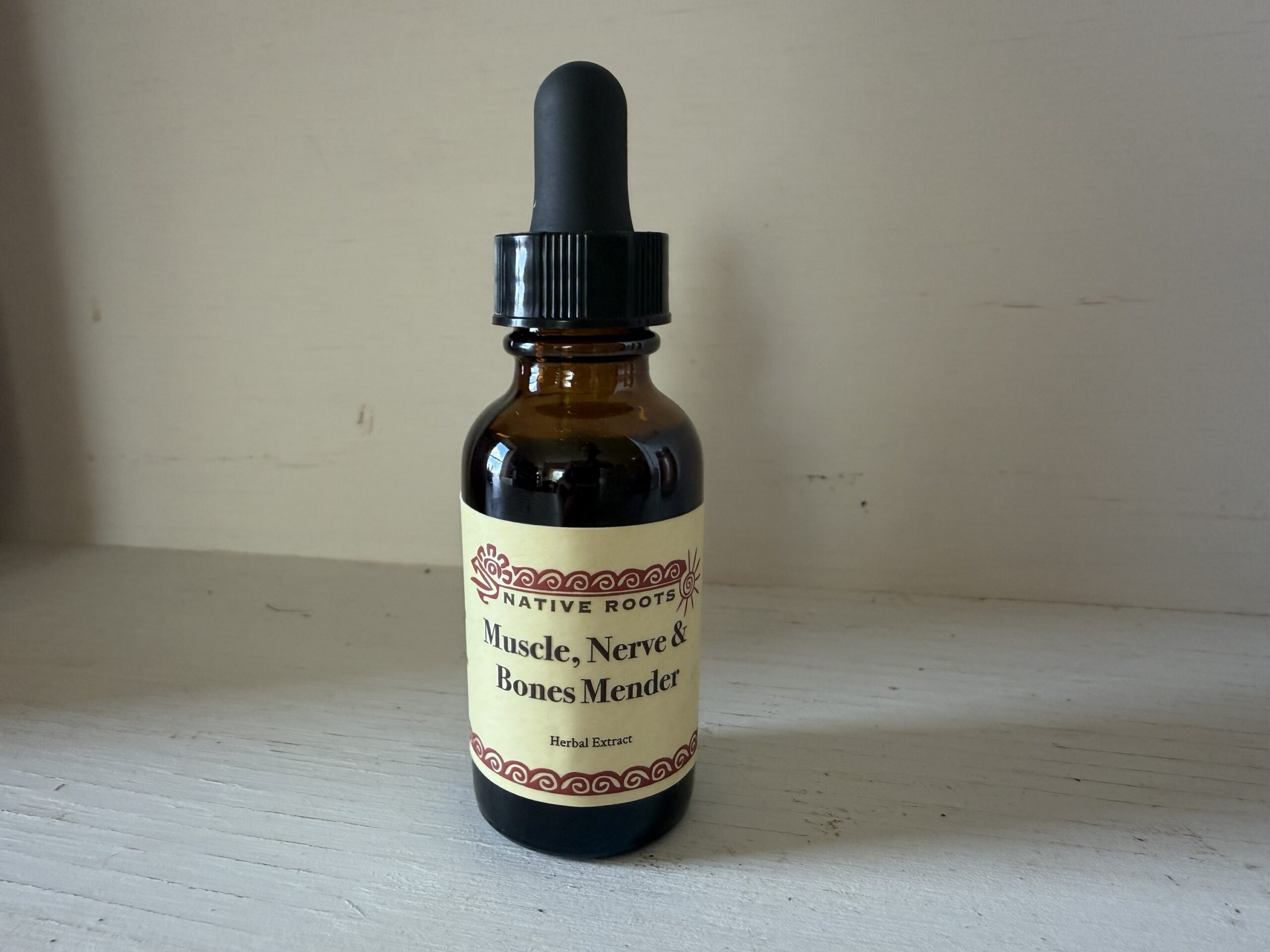



Reviews
There are no reviews yet.